
A Car Like No Other
The Fisker Karma is not just a car. It is a statement. Conceived by legendary automotive designer Henrik Fisker, it was one of the world's first luxury plug-in hybrid electric vehicles when it debuted in 2011. With only around 2,450 units ever produced, each Karma on the road today is a piece of automotive history: a hand-finished grand tourer that combined environmental ambition with unapologetic beauty.
"The Karma is the most beautiful car I have ever designed."
Henrik Fisker, founder and designer
Design That Stops Traffic
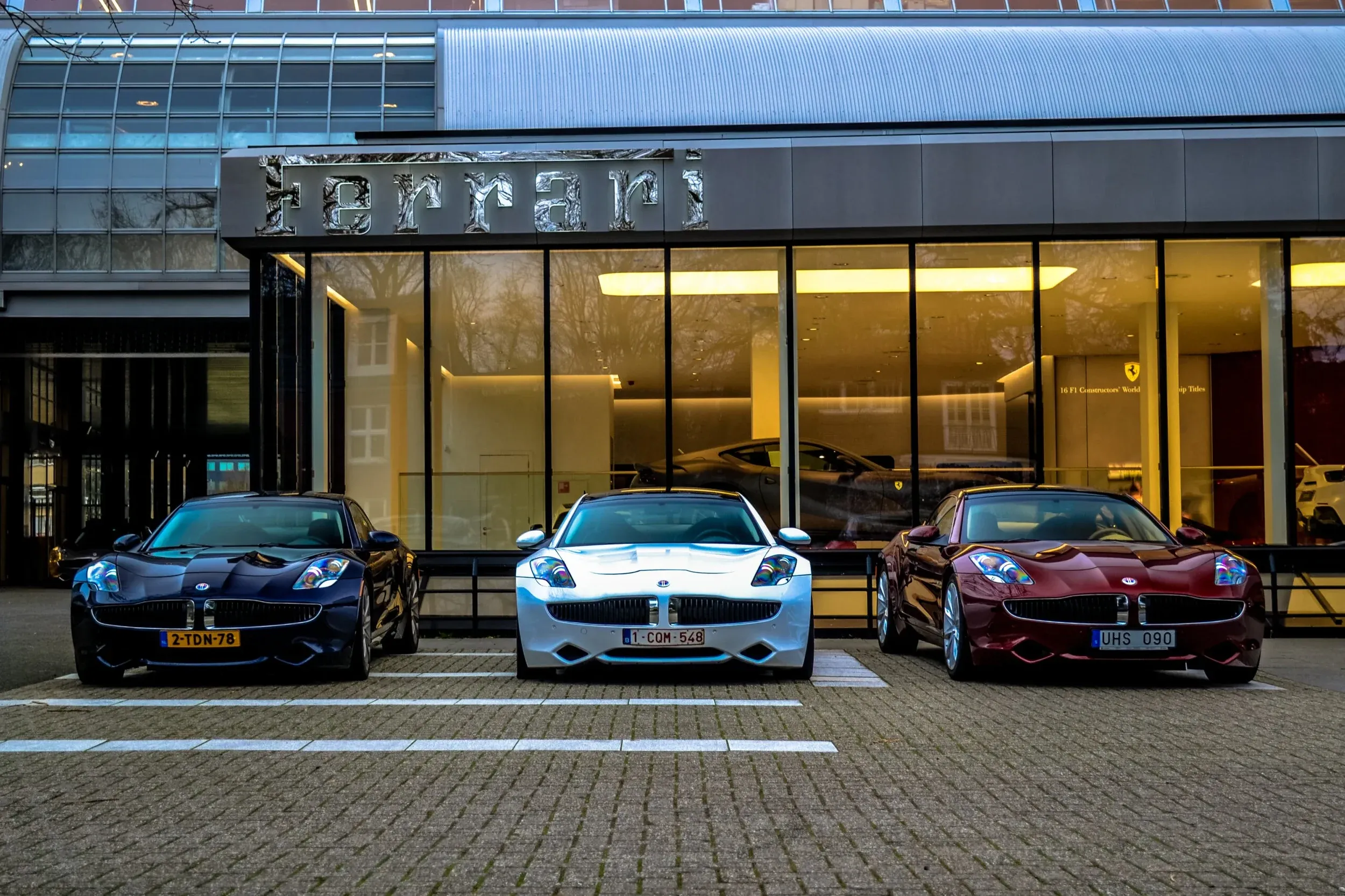
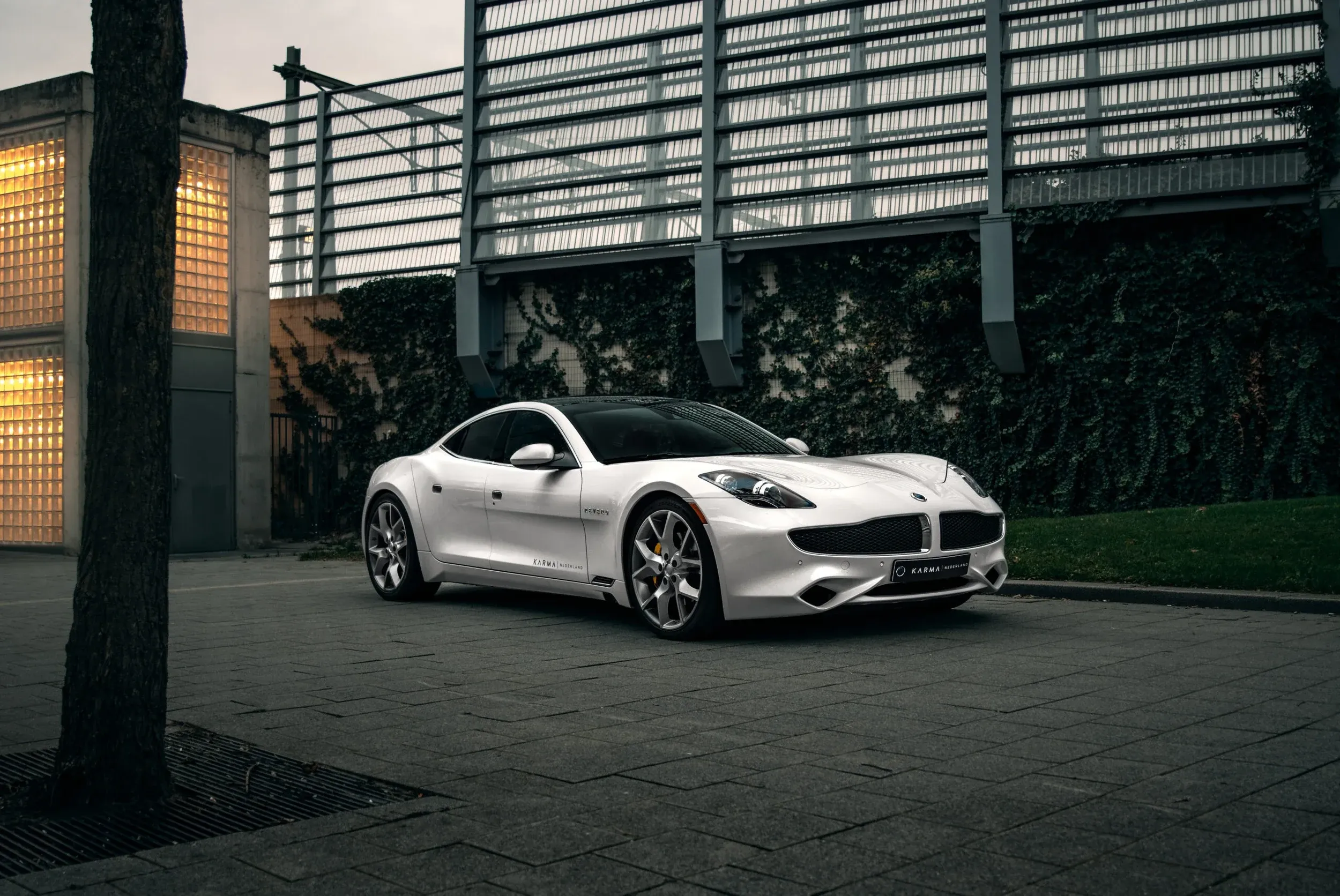
Henrik Fisker drew the Karma's silhouette with a single, unbroken pencil line. He calls the philosophy "timeless proportion." The result is a five-metre sculpture of flowing curves, a signature front grille that hints at a smile, and muscular rear haunches that taper into an elegant fastback. At just 1.33 metres tall, it sits low and wide, commanding the road with a presence that turns heads decades after its debut.
The Karma won the IDEA Gold Award for design excellence and was named one of Time Magazine's Best Inventions of 2011. It earned the rare distinction of being displayed at art museums alongside sculptures and paintings. Because, in truth, that is exactly what it is.
"It's one of the most beautiful cars ever made. Full stop."
Top Gear Magazine
Engineering Ahead of Its Time
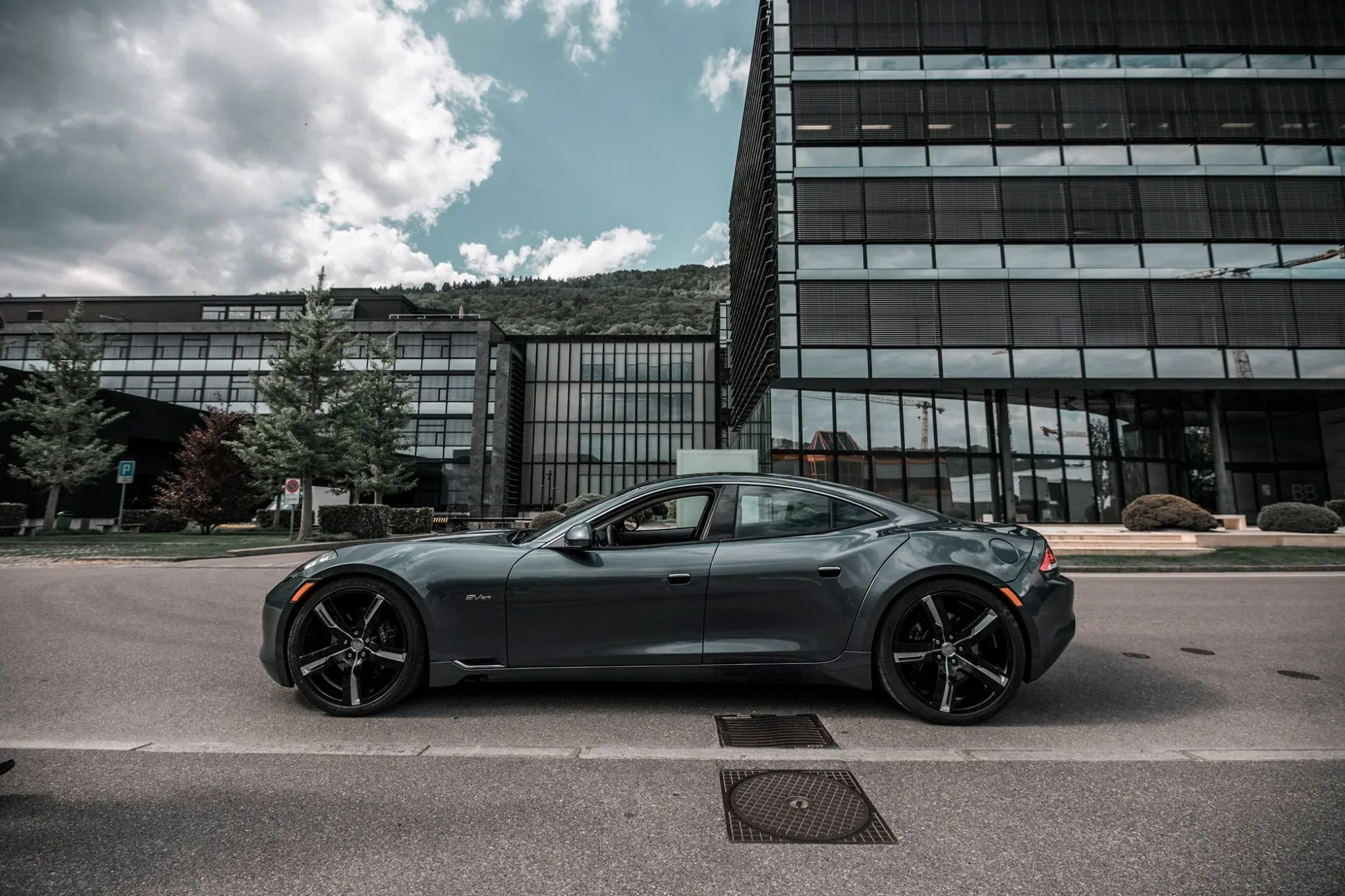
Before Tesla made electric luxury mainstream, the Karma was already there. Its Extended-Range Electric Vehicle powertrain pairs a 20.1 kWh lithium-ion battery with a 2.0-litre turbocharged generator. In pure electric Stealth mode, it glides silently for around 50 kilometres. When the battery runs low, the generator seamlessly extends the range to nearly 480 kilometres. No range anxiety. No compromises.
Then there is the solar roof. A full-length photovoltaic panel integrated into the panoramic glass, it was the first production car in the world to feature solar charging. The panel feeds energy back into the climate system and, on sunny days, adds a few extra kilometres of range. A technology so forward-thinking that other manufacturers are only now beginning to catch up.
Sustainability was woven into every detail. The interior trim uses reclaimed wood from trees felled by forest fires and floods, finished with a soy-based lacquer. The carpets are made from recycled fishing nets and bottles. The leather is eco-tanned. In 2011, this was revolutionary. Today, it still feels ahead of the curve.
The Cockpit
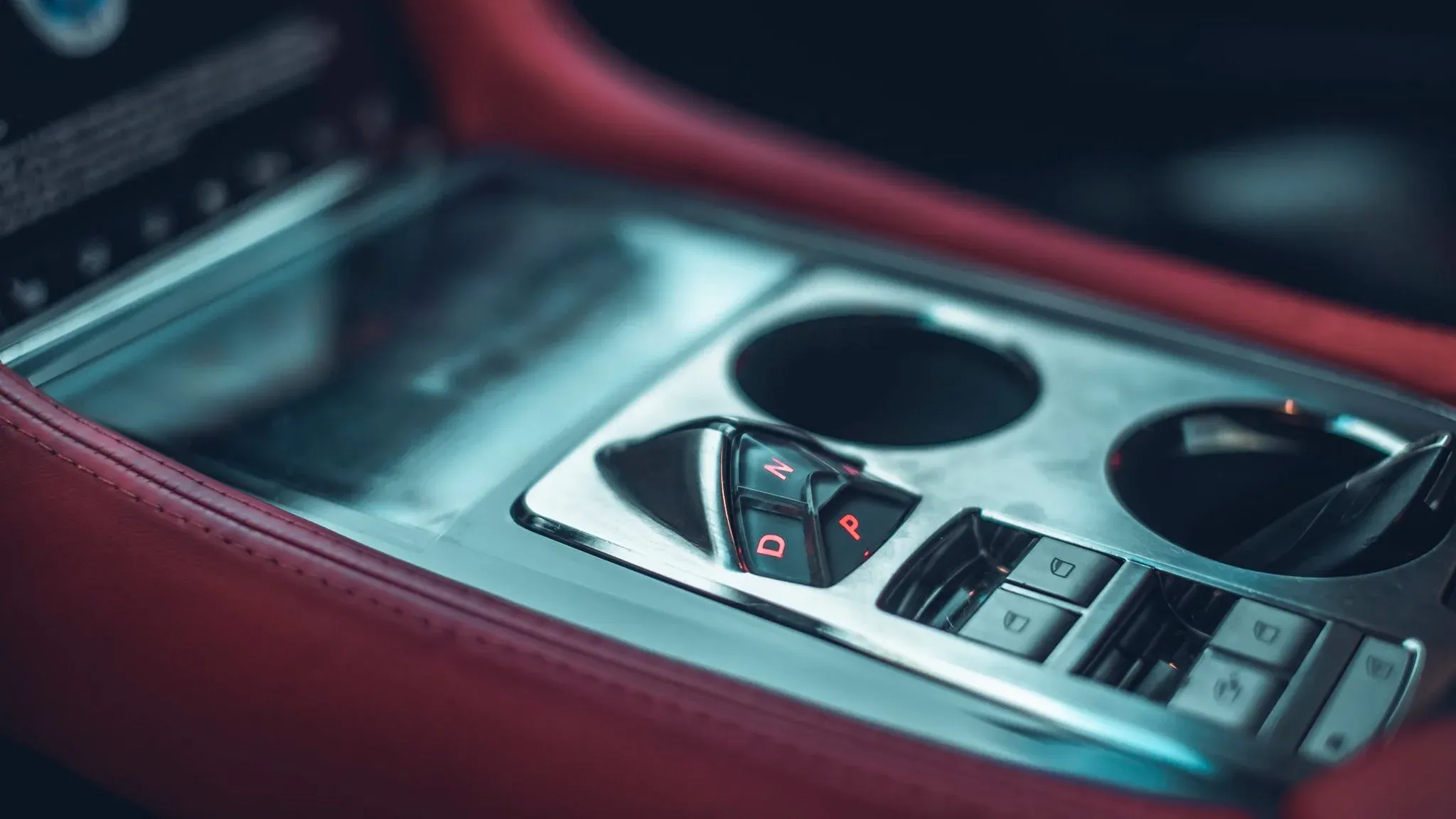
Slide into the Karma and the first thing you notice is the diamond-shaped gear selector rising from the centre console. A jewel-like sculpture that doubles as the drive mode switch. The instrument cluster wraps around the driver in a cockpit-like embrace, while the central touchscreen manages everything from drive modes to the energy flow display.
Four individual seats. No bench. No compromise. Each cradled in hand-stitched leather. The battery pack runs through the centre tunnel between driver and passenger, lowering the centre of gravity and giving the car its planted, sports-car feel. Close the door and the outside world disappears. Owners describe it as sitting in a spaceship.
"Every time I get in, I feel like I'm piloting something from the future. The diamond shifter, the wraparound dash, the silence. And then 1,300 Nm hits and you're grinning like an idiot."
Karma owner, Netherlands
Performance
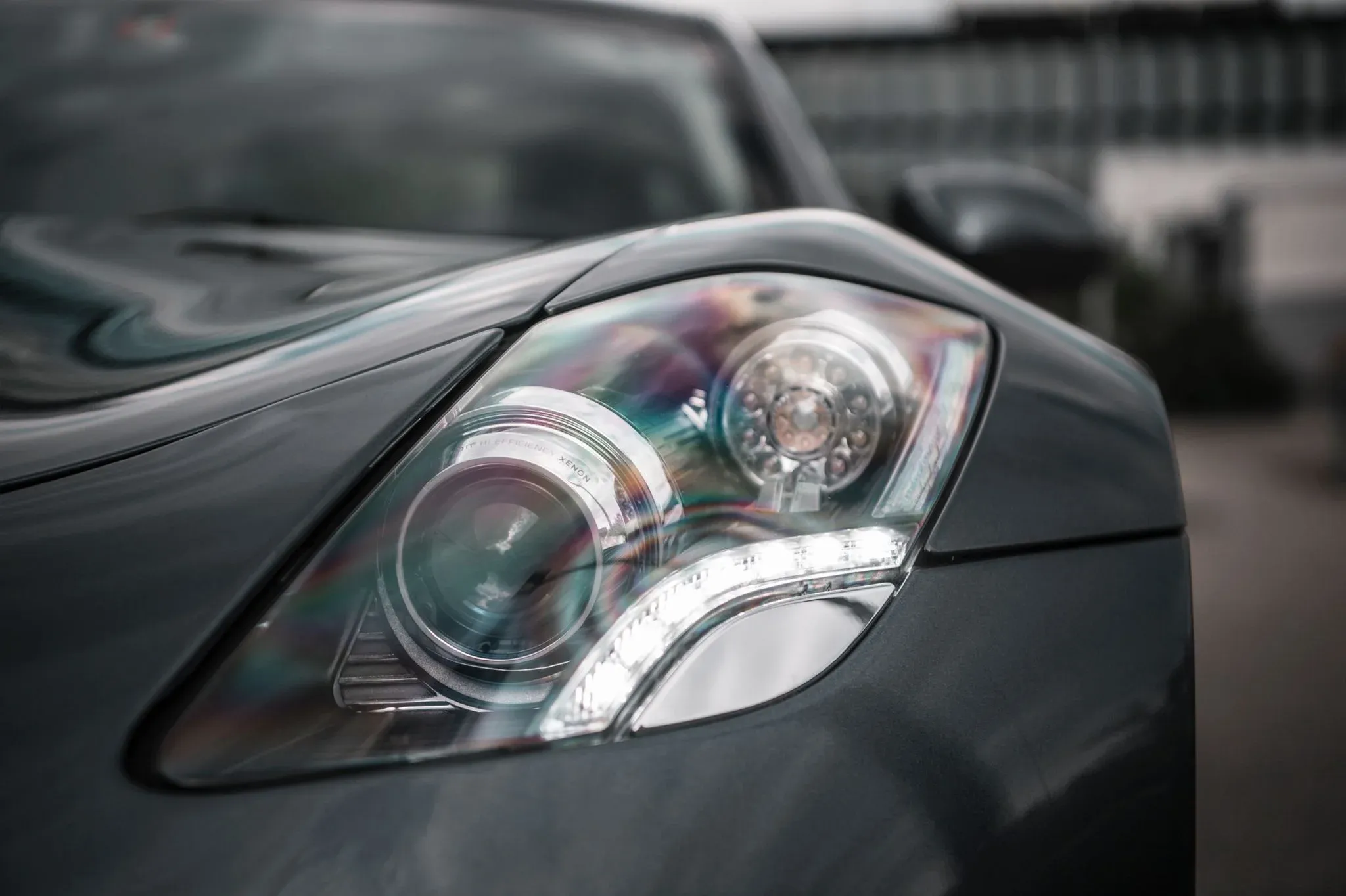
The Karma may look like a gentleman's grand tourer, but it has a savage side. In Sport mode, both the electric motors and the generator combine to deliver 403 horsepower and a staggering 1,330 Nm of torque at the wheels. The sprint from 0 to 100 km/h takes around 6.3 seconds. Impressive for a 2,400 kg luxury sedan, and delivered with the instant, silent shove that only electric torque can provide.
The real magic is the duality. In Stealth mode, you waft through city streets in perfect silence, the solar roof soaking up the sun, pedestrians doing double-takes at the car that just glided past without a sound. Flick it into Sport and that silent cruiser becomes a tyre-shredding grand tourer that pins you to your seat. Few cars can do both. The Karma does it with style.
"Driving it gives a unique feeling that cannot be explained. It is just an indescribable experience."
Bastien Stegmann, Karma Owner Club co-founder
Key Specifications
Powertrain: Extended-Range Electric Vehicle (EREV)
Battery: 20.1 kWh lithium-ion
Generator: 2.0L GM Ecotec turbocharged 4-cylinder
Total power: 403 hp / 1,330 Nm at wheels
Electric range: ~50 km (Stealth mode)
Total range: ~480 km
0 to 100 km/h: 6.3 seconds (Sport mode)
Top speed: 200 km/h
Weight: 2,400 kg
Solar roof: 120W integrated photovoltaic panel
Units produced: ~2,450 (2011 to 2012)
A Collector's Dream
With fewer than 2,500 units produced before Fisker Automotive ceased production in 2012, every surviving Karma is rare. Values have climbed steadily as the automotive world has recognized what Henrik Fisker achieved: a plug-in hybrid luxury sedan that arrived years before the competition, wrapped in one of the most striking designs of the 21st century.
The Karma community is small, passionate, and global. Owners don't just drive these cars. They preserve them, improve them, and celebrate them. From meetups at châteaux in France to specialist workshops in Germany and the Netherlands, there is a network of people dedicated to keeping these machines alive and on the road.
"Owning a Karma is like being part of a secret society. Everyone who has one knows how special it is. And every time you park it somewhere, a crowd gathers."
Karma owner, Germany